.webp)
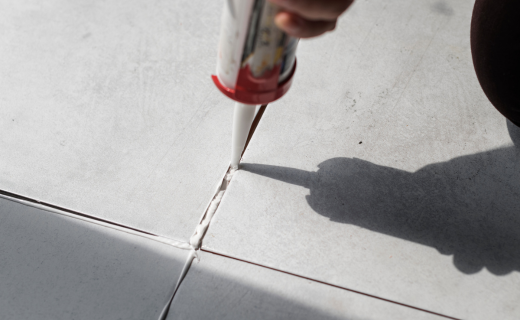
Wall cracks, roof leakage, and surface seepage are among the most common problems faced in residential and commercial buildings. What starts as a small hairline crack can gradually turn into moisture damage, paint peeling, damp patches, and structural deterioration if ignored for too long. This is where choosing the right crack filler paste becomes extremely important.
Wall crack filler paste not only covers up the cracks on the wall but also provides long-lasting, waterproof repairs to the surface and protects it from water seepage, weathering, etc. Whether it’s an internal wall crack, terrace seepage, roof leakage, or concrete surface damage, the right wall crack filler paste will ensure excellent durability and low maintenance.
With the development of a wide range of crack fillers, there’s really not a tough or awkward job that property owners can’t get wrapped around. Some are great for heavy-duty concrete crack filling. Others will work wonders in a flexible wall crack. And don’t even get us started on waterproof crack fillers for roofs.
In this article, we will cover all the essential facts about the crack filler paste, its types, uses, waterproofing capabilities, repair procedures, and recommendations on purchasing the best crack filler for walls, floors, and flooring. The question here is “What is crack filler?”
What is Crack Filler Paste?
Crack filler paste is a crack/leak repair paste used for sealing, treating, and filling cracks on the roof, ceiling, terraces, walls, concrete, etc. It works by repairing and sealing cracks and preventing water seepage, dust, and cracking.
Whatever you are looking for, we have the right solution for crack repair! From the sealing of fountains, crack repairs in swimming pools, all the way to your normal crack repairs in walls and ceilings, our crack repair paste has waterproofing, adhesion, and flexibility depending on the area of use.
Common Applications of Crack Filler Paste
- Wall crack repair
- Concrete crack repair
- Roof leakage treatment
- Terrace crack sealing
- Exterior wall waterproofing
- Ceiling crack repair
- Paint crack correction
- Surface waterproof crack repair
A good wall crack-filling paste not only improves appearance but also protects surfaces from long-term water damage and deterioration.
Types of Crack Filler Paste
Different surfaces and crack conditions require different crack-filling compounds. Understanding the types of crack repair chemical solutions available helps in selecting the right product for long-lasting performance.
| Type | Best Use | Waterproof | Flexibility | Durability |
|---|---|---|---|---|
| Acrylic Crack Filler | Interior wall cracks | Medium | High | Medium |
| Cement-Based Filler | Exterior wall cracks | Medium | Medium | High |
| Polyurethane Filler | Roof leakage cracks | High | Very High | Very High |
| Epoxy Crack Filler | Structural concrete cracks | Medium | Low | Very High |
Acrylic Crack Fillers
Acrylic-based crack filler for walls is widely used for filling interior hairline cracks and paint cracks. It is easy to paint, and flexible enough for unobtrusive surface movements.
Pros
- Paintable finish
- Good flexibility
- Smooth surface appearance
Cons
- Limited waterproofing
- Not ideal for deep structural cracks
Cement-Based Crack Fillers
So, once you have found the crack, the next thing is choosing a suitable material to seal the crack. A strong adhesive, such as black rubber, silicone, or crack filler, should seal effectively without leaking. For outdoor cracks, cement-based crack-filling material is the best solution.
Pros
- Strong adhesion
- Suitable for masonry surfaces
- Cost-effective
Cons
- Lower flexibility
- Can crack again under movement
Polyurethane Crack Fillers
Crack sealant has been a common sealant for roofing (and also terraces) for decades. There are several types of crack sealant (synthetic, urethane, etc.), but the polyurethane has shown itself to be the best sealant for sealing cracks and waterproofing cracks.
Pros
- Excellent waterproofing
- High flexibility
- UV and weather resistant
Cons
- Higher cost
- Requires proper application
Epoxy Crack Fillers
Crack repair paste for epoxy is used more for repairing cracks on structural concrete, where strength is most important.
Epoxy repair paste is a specially designed filler to fix cracks in concrete, relating to strengthening the structure of any concrete material without affecting the integrity of the concrete.
Furthermore, it gets hard as soon as exposed to air and hence gives the best results while doing a massive crack on a wide surface area.
Pros
- High mechanical strength
- Durable repair
- Strong bonding
Cons
- Less flexible
- Not ideal for moving cracks
Best Crack Filler Paste for Wall Cracks
There are various reasons for cracks to form in walls, such as changes in temperature, water, settling, poor quality of plaster, or old paint. The choice of the filler paste for cracks should be made after identifying the type and depth of the cracks.
Hairline Cracks
A thin, surface-level crack in the plaster of your walls or ceilings. These cracks are flexible enough to let them ebb and flow a little without opening, so use a filler that can handle that too.
Plaster Cracks
Plaster cracks are cracks that appear in the plaster powder mix, usually due to shrinkage or poor curing. The best repair for this would be using a strong adhesive and smooth surface finishes repair compound for wall crack repairs.
Paint Cracks
If that is the case, apply crack repair paste as your first step. The paste will not only stop the crack from spreading but will also repair your dried-up paint. After the paste has dried, smooth the surface of your wall and then apply a fresh coat of paint.
Internal Wall Cracks
Interior walls require crack sealant for walls that offer:
- Smooth finish
- Easy sanding
- Paint compatibility
- Long-lasting adhesion
For residential use, a flexible and paintable wall crack-filling paste is recommended as it delivers a good finish and is also durable.
Best Waterproof Crack Filler Paste for Roof Leakage
Roof leakage is one of the most damaging forms of water intrusion in buildings. Terrace cracks and exterior wall cracks allow rainwater to penetrate the structure, leading to damp patches, paint damage, mold growth, and weakening of concrete surfaces.
Using a waterproof crack filler specifically designed for exterior exposure is essential for long-term protection.
Common Roof Crack Problems
- Terrace surface cracks
- Roof slab shrinkage cracks
- Waterproofing layer failure
- Exterior wall seepage
- Joint gaps near parapet walls
Why Waterproof Crack Repair Matters
Ordinary fillers may temporarily hide cracks, but they often fail under heavy rain, UV exposure, and thermal movement. Waterproof crack repair solutions are designed to:
- Prevent water penetration
- Handle expansion and contraction
- Resist weather damage
- Reduce recurring leakage problems
Best Features to Look For
When selecting roof crack repair paste, look for:
- High flexibility
- Waterproof crack sealant properties
- UV resistance
- Strong adhesion
- Crack bridging capability
For terrace waterproofing and roof leakage treatment, polyurethane-based or elastomeric crack fillers generally provide the best performance.
How to Apply Crack Filler Paste Properly
Proper application plays a major role in the durability of crack repair. Even the best crack repair chemical can fail if surface preparation is poor.
Step 1: Surface Cleaning
Remove loose particles, dust, paint flakes, algae, or grease from the crack area. Clean surfaces improve adhesion significantly.
Step 2: Open the Crack Slightly
For deeper cracks, widen the crack slightly using a scraper or cutter. This allows better penetration of the crack-filling compound.
Step 3: Apply Primer if Required
Some waterproof crack filler systems require primer application before filling. Always follow product recommendations.
Step 4: Apply Crack Filler Paste
Use a putty knife or spatula to apply the crack repair paste evenly inside the crack. Ensure complete filling without air gaps.
Step 5: Allow Proper Drying
Drying time depends on:
- Crack depth
- Product type
- Weather conditions
Avoid water exposure during curing.
Step 6: Sanding and Finishing
Once dry, sand the repaired area gently for smooth finishing.
Step 7: Painting or Waterproof Coating
After curing, apply paint or waterproof coating if required for additional protection and aesthetics.
How to Choose the Right Crack Filler Paste
Not every crack repair paste works for every situation. The right selection depends on surface conditions, crack movement, and waterproofing requirements.
Based on Crack Size
- Hairline cracks: Acrylic flexible crack filler
- Medium cracks: Cement-based crack-filling material
- Large or moving cracks: Polyurethane crack sealant
Based on Surface Type
- Internal walls: Paintable crack filler paste
- Exterior walls: Waterproof crack repair products
- Concrete surfaces: Epoxy or cement-based fillers
- Roofs and terraces: Polyurethane waterproof crack filler
Based on the Waterproofing Requirement
For leakage-prone areas, choose products with:
- Waterproof crack sealant properties
- UV resistance
- High flexibility
Based on Weather Exposure
Exterior surfaces face:
- Rain
- Sunlight
- Temperature changes
- Moisture cycles
Flexible waterproof crack repair systems perform better under such conditions.
Crack Filler Paste Price in India
Crack filler paste price in India varies depending on several factors, including material composition, waterproofing capability, flexibility, and brand quality.
Factors Affecting Pricing
Material Type
Polyurethane and epoxy-based crack repair products generally cost more than standard acrylic fillers because of their superior durability and waterproofing performance.
Waterproofing Capability
Advanced waterproof crack filler products with elastomeric properties typically have higher pricing due to enhanced protection.
Coverage Area
The quantity required depends on:
- Crack width
- Crack depth
- Surface condition
Brand and Product Quality
Professional-grade crack repair chemical solutions often provide better adhesion, flexibility, and longer service life.
Instead of choosing products based only on initial cost, it is better to evaluate long-term durability and waterproofing effectiveness.
Why Cracksil is the Best Crack Filler Paste
Cracksil by 20MCC is designed as a practical and long-lasting crack repair solution for walls, roofs, terraces, and exterior surfaces. It combines flexibility, waterproofing performance, and strong adhesion to help reduce recurring crack problems.
Key Features of Cracksil
Waterproofing Capability
Cracksil helps prevent water seepage through cracks, making it suitable for waterproof crack repair applications.
Flexible Crack Bridging
The product accommodates minor surface movement, reducing the chances of cracks reopening over time.
Paintable Finish
It provides a smooth finish that supports painting after curing.
Weather Resistance
Cracksil performs effectively under rain, sunlight, and changing weather conditions.
Long-Term Durability
The formulation is designed for durable wall crack repair and roof crack sealing performance.
Recommended Use Cases
- Wall cracks
- Roof leakage cracks
- Terrace waterproofing repairs
- Exterior wall crack repair
- Waterproof crack sealant applications
For property owners looking for a reliable crack filler for walls and roofs, Cracksil offers a balanced combination of waterproofing, flexibility, and repair durability.
FAQs
Which crack filler paste is best for walls?
Flexible acrylic-based crack filler paste is generally considered best for interior wall cracks because it provides smooth finishing, paint compatibility, and resistance to minor movement. For exterior walls exposed to moisture, waterproof crack filler products offer better long-term durability.
Is crack filler paste waterproof?
Not all crack filler paste products are waterproof. Standard fillers may only cover cracks cosmetically. Waterproof crack repair products are specially formulated to resist water penetration, making them suitable for roofs, terraces, and exterior walls.
Can crack filler paste stop leakage?
Yes, a high-quality waterproof crack sealant can help stop leakage caused by wall or roof cracks. However, proper surface preparation and choosing the correct crack repair paste for the application are important for long-term results.
How long does crack filler paste last?
The durability of crack filler paste depends on product quality, surface condition, weather exposure, and application method. Professional waterproof crack repair products can last for several years when applied correctly.
Can crack filler paste be painted?
Most wall crack filler paste products designed for interior applications are paintable after curing. Always allow proper drying and sanding before painting.
Which crack filler is best for roof cracks?
Polyurethane-based waterproof crack filler is usually preferred for roof cracks because it offers high flexibility, strong waterproofing performance, and weather resistance.
Is crack filler better than wall putty?
Yes, crack filler paste is specifically designed for repairing cracks, while wall putty is mainly used for surface smoothing before painting. Crack repair paste offers better adhesion and crack-bridging properties.
Conclusion
Cracks in walls, roofs, and concrete surfaces should never be ignored because they can gradually lead to water damage, seepage, paint failure, and structural deterioration. Choosing the right crack filler paste helps create a durable and long-lasting repair solution while improving waterproofing protection.
From flexible wall crack repair compounds to advanced waterproof crack sealants for roof leakage, different crack repair products are designed for different applications. Understanding crack type, surface condition, and exposure level helps in selecting the right repair system.
For reliable waterproof crack repair performance, flexibility, and long-term durability, solutions like Cracksil by 20MCC provide effective protection for walls, terraces, roofs, and exterior surfaces.
Explore 20MCC’s advanced waterproofing and crack repair solutions to protect your property against recurring cracks and water damage.