.webp)
Construction Chemicals
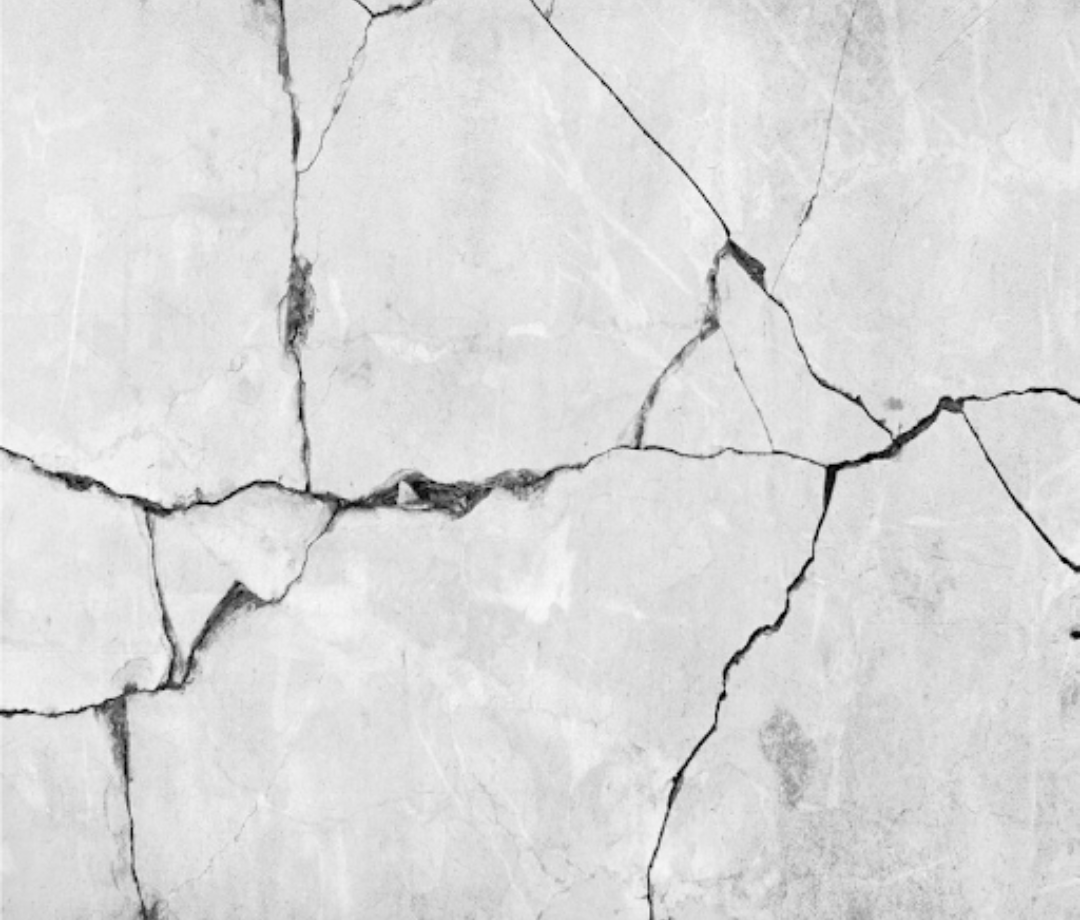
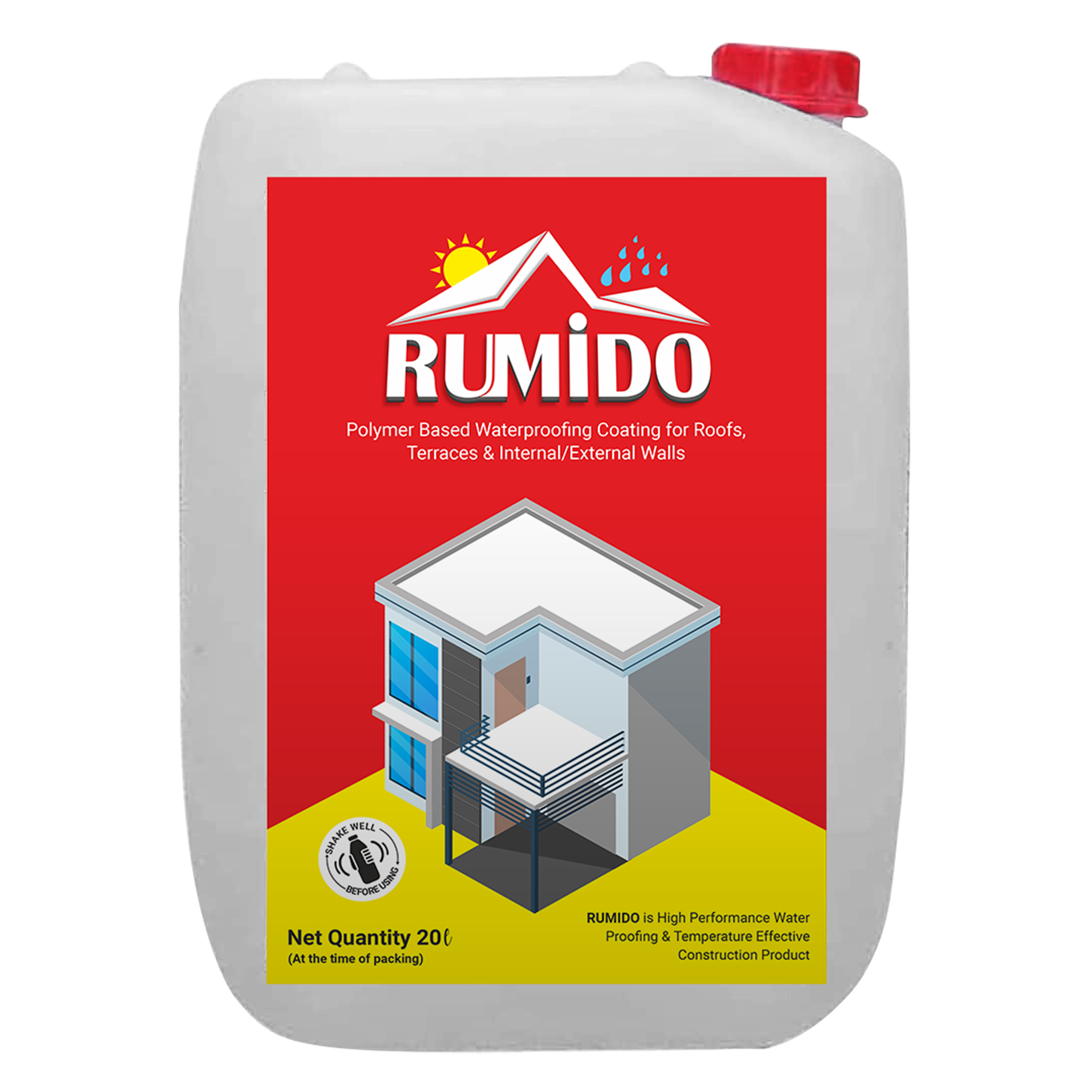
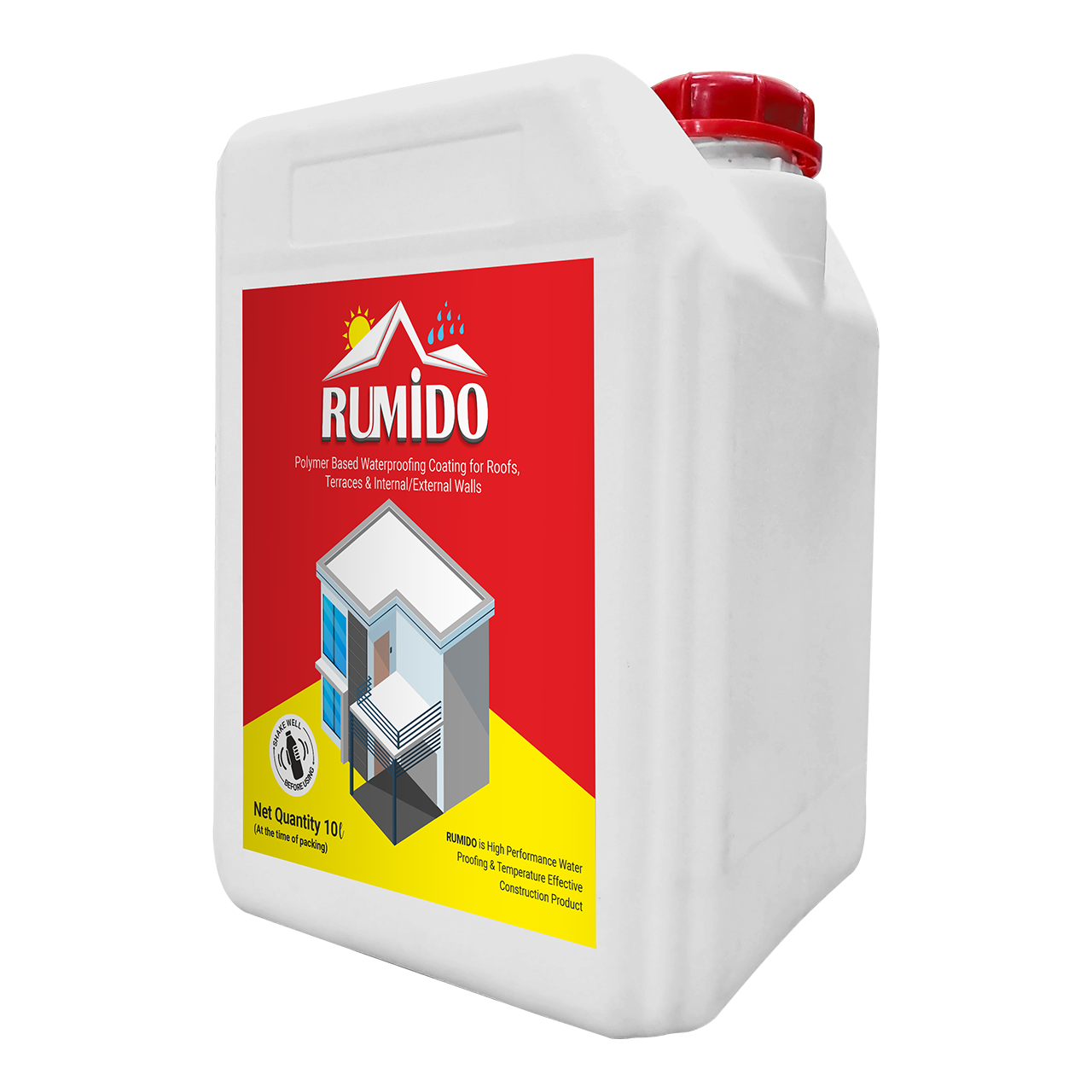
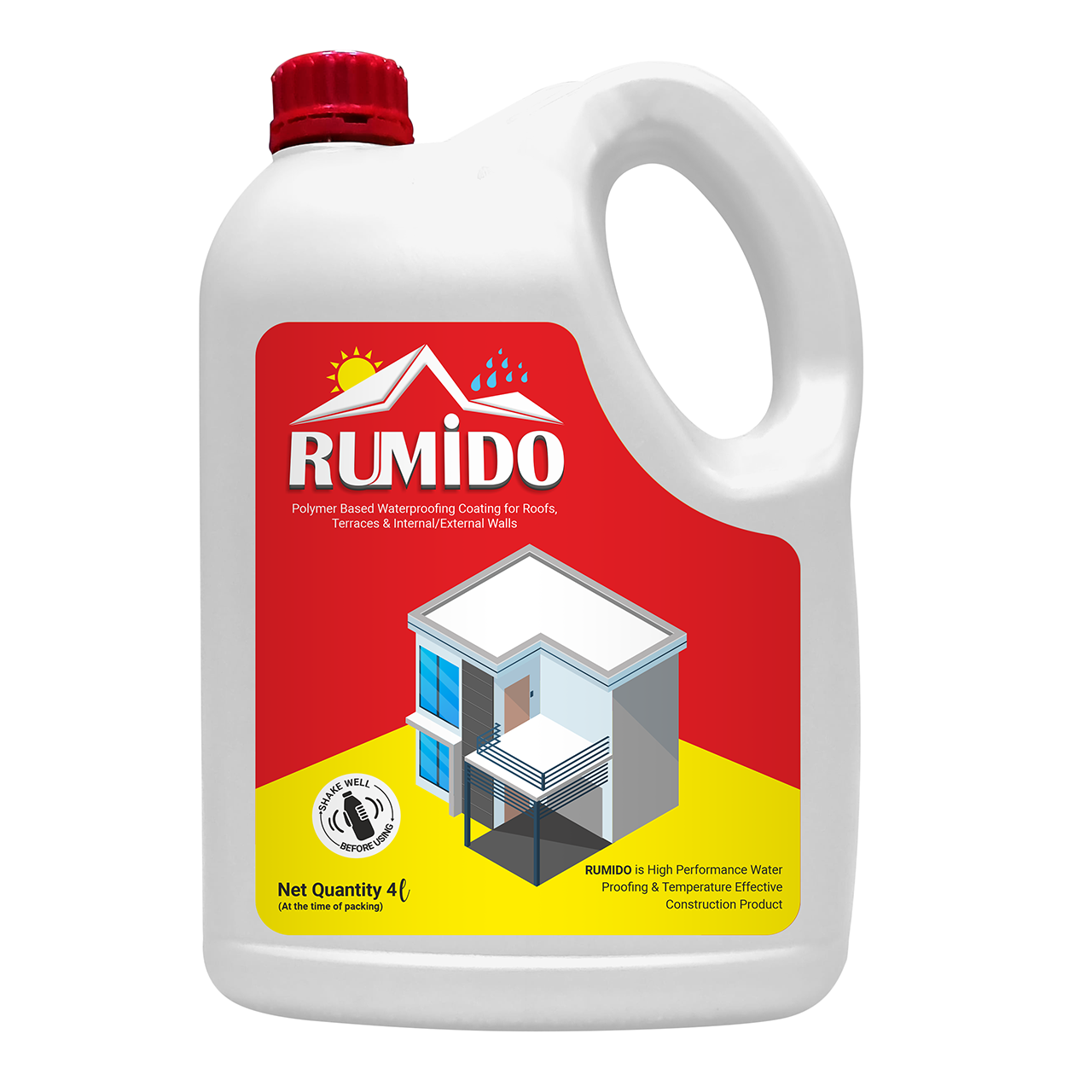
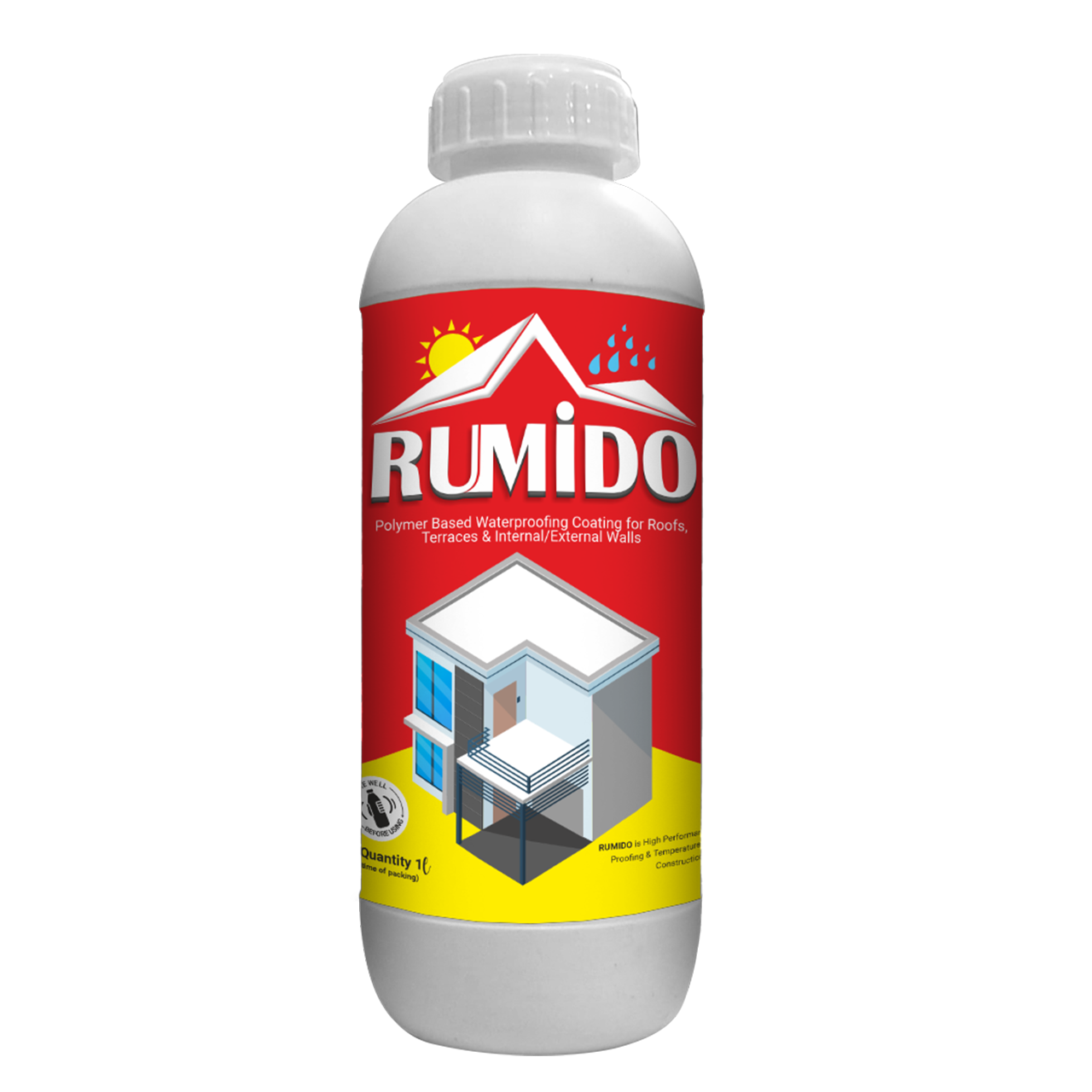
Cracks in the roof can lead to water leaks, which can damage your home. Rain, heat, and weather changes make the cracks worse over time. If not fixed quickly, they can cause bigger problems like mold and weak structures. Roof crack repair is an easy way to stop leaks and protect your home. Whether it’s cement roof sheet crack repair, concrete roof slab crack repair, or fixing a cracked concrete roof tile, taking quick action can save you money on big repairs. In this blog, we will explain simple and effective ways to repair roof cracks and stop leaks fast. A crack on roof surfaces may look small at first, but even minor cracks can allow rainwater and moisture to enter the underlying material. Over time, repeated exposure to sunlight, temperature changes, standing water, and weather can make these cracks wider and increase the risk of seepage and surface damage.Timely roof crack repair can help prevent a small surface problem from becoming a larger waterproofing concern. The right roof crack repair solution depends on the size and type of crack, the roofing material, its location, and the extent of water penetration.Whether you need cement roof sheet crack repair, concrete roof crack treatment, or rooftop crack repair, identifying the cause and selecting a suitable repair and waterproofing system are important steps toward protecting the roof. Not every crack has the same cause or requires the same repair method. Before choosing a roof crack sealant or filler, inspect the crack carefully and consider its size, depth, location, and whether water is entering through it. Fine or narrow surface cracks may affect only the upper layer of the roofing material. These can sometimes be addressed with a suitable roof crack filler, provided the crack is stable and the underlying structure is sound. Wider or deeper cracks require more attention. They may indicate movement, deterioration, or damage beneath the surface. Instead of simply covering them with a sealant, the crack should be assessed to determine the appropriate repair method. Cracks around joints, corners, edges, penetrations, or connections can become pathways for water. These areas should be checked carefully because water can travel beyond the visible crack and cause dampness in other parts of the building. If you notice water entering through a crack on roof surfaces, do not delay the repair. Look for damp patches, water marks, peeling finishes, or moisture below the affected area.Important: Not every crack should be treated as a DIY repair. Wide, deep, expanding, or structurally significant cracks should be inspected by a qualified professional before applying a filler or waterproofing product. There is no single product that is suitable for every roof crack. The appropriate roof crack repair solution depends on: Crack size and depth Roofing material Location of the crack Extent of water penetration Whether the crack is stable or expanding Condition of the surrounding surface Once these factors are understood, the repair can be followed by suitable waterproofing protection. For suitable small and static cracks, a roof crack filler can be used to fill the damaged area before additional waterproofing.20MCC Cracksil is a cement-based polymer-modified powder material intended for filling cracks in plastered surfaces. Its documented application includes horizontal and vertical cracks up to 5 mm, with the product designed to remain stable during expansion and contraction.This makes Cracksil a suitable option to consider for appropriate small, static cracks after proper surface preparation. A roof crack sealant or waterproofing coating serves a different purpose from a crack filler. While a filler addresses the crack itself, a waterproofing treatment can help protect the prepared surface from moisture penetration.For suitable applications, Nanosil is a water-based, nano-technology-based waterproofing and water-repellent solution designed to penetrate porous substrates and create a hydrophobic barrier. It is listed for cementitious surfaces and other porous materials.This makes it useful where crack seal for roof applications need to be followed by broader surface-level water protection. For cement roof sheet crack repair, the product should be selected according to the condition of the sheet and the extent of the damage. Nanosil is listed by 20MCC as a waterproofing and water-repellent solution suitable for cementitious surfaces.The damaged area should be cleaned and properly prepared before applying the selected waterproofing system. Concrete roof slabs may require more than simply filling a visible crack, particularly where moisture penetration or deterioration is present.Tigersil is a nano-polymeric waterproofing product documented by 20MCC for dampness, seepage, salt and mold-related applications. Its technical information also lists polymer repair mortar and repair concrete/screed applications.For significant or structural cracks, the roof should be assessed by a qualified professional before selecting a repair system. Cracked concrete roof tiles should first be inspected and cleaned to remove loose material. A suitable crack filler can be used where appropriate, followed by a compatible waterproofing treatment.The choice between Cracksil, Nanosil, or another suitable repair system should depend on the crack, tile condition, and intended application rather than using the same product for every type of damage. Roof cracks are a common problem, and if not fixed on time, they can lead to leaks and serious damage. Rain, heat, and daily wear make the cracks worse, causing bigger issues in the long run. ere are some simple reasons why roof cracks happen: A proper rooftop crack repair process starts with surface preparation and product selection. The exact application should always follow the product's technical instructions. Here’s how you can fix roof cracks step by step: Before starting the repair, remove any dust, dirt, or loose material from the crack. You can use a wire brush or water to clean it well. Let the area dry completely before moving to the next step. The appropriate product depends on the type of roof problem: Cracksil is documented for static cracks up to 5 mm, while Nanosil is positioned as a penetrating water-repellent/waterproofing treatment. Tigersil's current product documentation covers dampness and seepage applications and also lists repair concrete and screed applications. Metakrete is a construction material used for concrete-related applications. Follow these steps to fix different types of cracks: Do not immediately expose a freshly repaired area to foot traffic, standing water, or other stress.Drying and curing times depend on the product, weather, substrate, and application conditions. For example, 20MCC specifies a 24-hour curing period for Cracksil and Tigersil in their respective application instructions.Always follow the product-specific instructions rather than assuming every repair material requires the same drying time. Roof crack repair should not be treated as a one-time task with no follow-up. Inspect the roof periodically for new cracks, standing water, damaged joints, loose material, or signs of seepage.For broader roof protection, a suitable waterproofing coating can be considered after repairing visible cracks. For example, 20MCC's Rumido is designed for roofs, terraces, and internal/external walls and is applied in two coats according to its product instructions. Repairing a visible crack addresses the immediate damaged area, but proper roof maintenance also involves reducing moisture exposure and monitoring the surface.A suitable waterproofing system can help protect roof and terrace surfaces from water penetration. 20MCC offers several products for different construction and waterproofing applications: The right combination depends on the condition and material of the roof rather than simply applying the same waterproofing product everywhere. Even a good roof crack repair solution may not perform as expected if the application is incorrect. Avoid these common mistakes: Dust, grease, loose particles, old paint, and damaged material can interfere with adhesion. Always prepare the surface properly before application. A small static crack, a wide expanding crack, a cement sheet crack, and a damaged concrete area may require different approaches. Product selection should be based on the actual problem. Moisture can affect repair and waterproofing applications. Check the product instructions and ensure the substrate is prepared according to the recommended application conditions. Do not simply cover a wide or expanding crack with a roof crack sealant. Such cracks may require professional assessment to identify the underlying cause. More product does not necessarily mean better protection. Follow the recommended application method, coat thickness, coverage, and drying time. A repaired roof still needs periodic inspection. Look for new crack on roof surfaces, standing water, damaged joints, seepage, or deterioration after heavy rain and seasonal weather changes. 0MCC offers a range of construction and waterproofing products for different surface and repair requirements. Select the product according to the type of crack, substrate, moisture issue, and intended application. For: Suitable static cracks up to 5 mm. Cracksil is a cement-based polymer-modified powder material designed for filling suitable cracks in plastered surfaces. It is documented for horizontal and vertical applications and can be used for suitable internal and external cracks. For: Water-repellent and waterproofing applications on suitable porous and cementitious surfaces. Nanosil is described by 20MCC as a nanotechnology-based, water-based, transparent waterproofing coating that penetrates porous substrates and creates a hydrophobic barrier. It is listed for materials including cementitious surfaces, bricks, tiles, and natural stone. For: Dampness, seepage, salt, mold, paint peel, and selected concrete/repair applications. Tigersil is a nano-polymeric dispersion that acts as a water repellent and mold inhibitor. Its current technical information also lists polymer repair mortar and repair concrete/screed applications. For: Roof, terrace, and internal/external wall waterproofing. Rumido is a polymer-based waterproof coating designed for roofs, terraces, and internal/external walls. Its product documentation specifies a two-coat application and states that it can provide up to seven years of protection against water leakage under specified conditions. It also states that the coating can reduce surface temperature by up to 7–10°C on porous construction materials. Fixing roof cracks on time is important to prevent water leaks and structural damage. Whether you need roof crack repair, cement roof sheet crack repair, or concrete roof slab crack repair, using the right method ensures long-lasting protection. If you are looking for high-quality solutions for roof crack repair, 20MCC offers reliable products to keep your roof strong and leak-free. Visit 20MCC today to explore the best waterproofing solutions for your needsRoof Crack Repair: Quick Solutions to Stop Leaks
How to Identify a Roof Crack Before It Causes Leaks
Small Surface Cracks
Deep or Wide Cracks
Cracks Around Roof Joints and Edges
Cracks That Are Already Leaking
What Is the Best Solution for Roof Crack Repair?
Roof Crack Filler for Small Cracks
Roof Crack Sealant for Waterproof Protection
Solution for Cement Roof Sheet Crack Repair
Solution for Concrete Roof Slab Crack Repair
Solution for Cracked Concrete Roof Tiles
Why Do Roof Cracks Happen?
How to Repair Roof Cracks: Step-by-Step Guide
1. Clean the Crack Area
2. Choose the Right Waterproofing Product
Roof Problem Recommended Solution Purpose Small, static cracks up to 5 mm Cracksil Filling and repairing suitable cracks Cement roof sheet cracks Nanosil Water-repellent and waterproofing protection for suitable cementitious surfaces Concrete roof/slab waterproofing and dampness-related applications Tigersil Waterproofing, dampness and seepage-related protection Suitable damaged or weak concrete areas Metakrete Concrete-related strengthening and construction applications 3. Apply the Waterproofing Solution
4. Let It Dry Properly
5.Regular Roof Maintenance
6.Prevent Roof Cracks with Proper Waterproofing
Common Roof Crack Repair Mistakes to Avoid
Applying Waterproofing Over Dirt or Loose Material
Using the Same Product for Every Crack
Repairing a Wet Surface Without Proper Preparation
Ignoring Large or Expanding Cracks
Applying Too Much Material at Once
Skipping Regular Roof Inspection
20MCC Roof Waterproofing Solutions for Crack Repair
Cracksil

Nanosil

Tigersil

Rumido

All You Need to Know About Roof Crack Repair