.webp)
Construction Chemicals
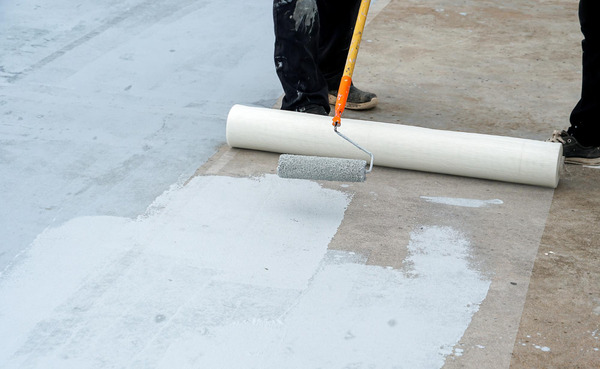
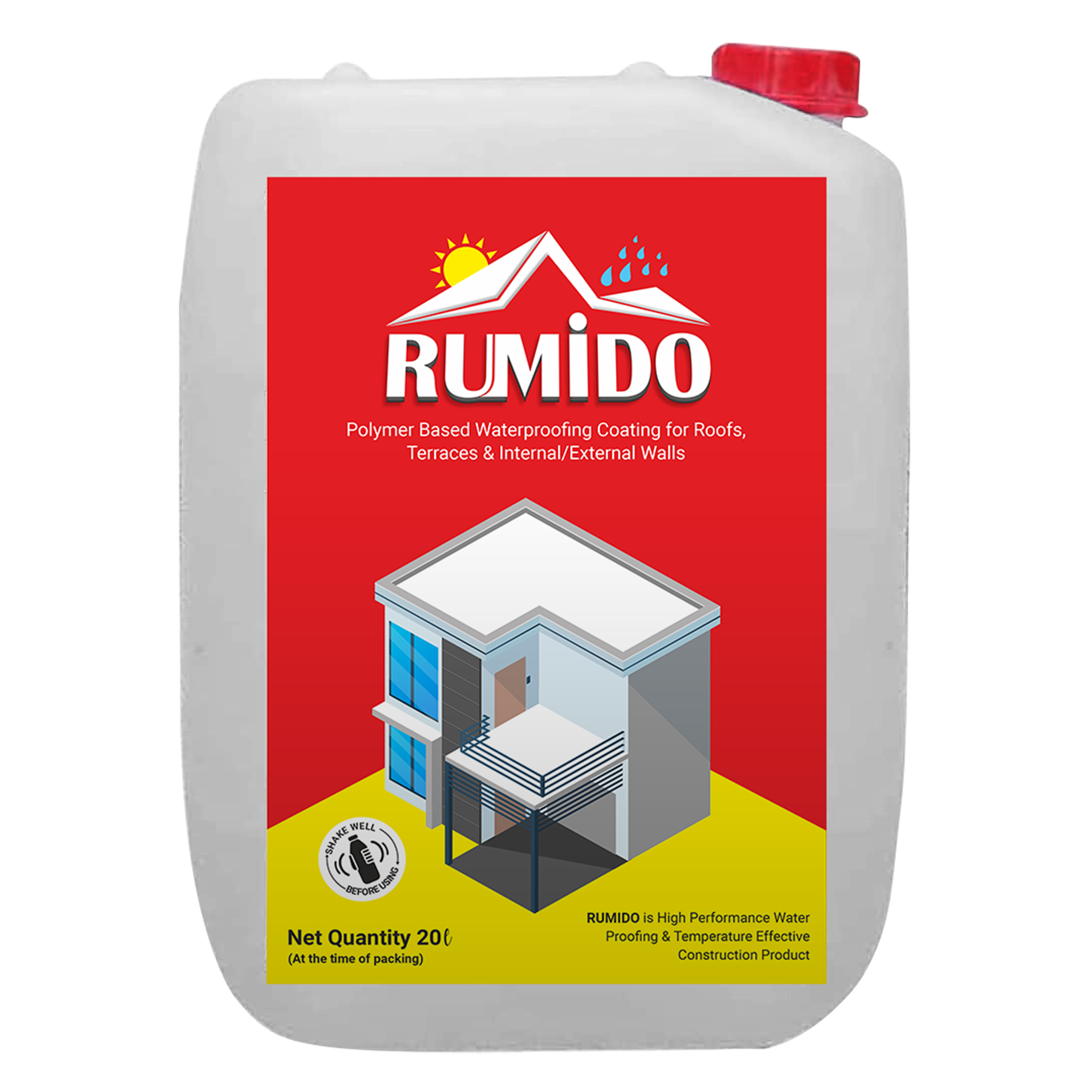
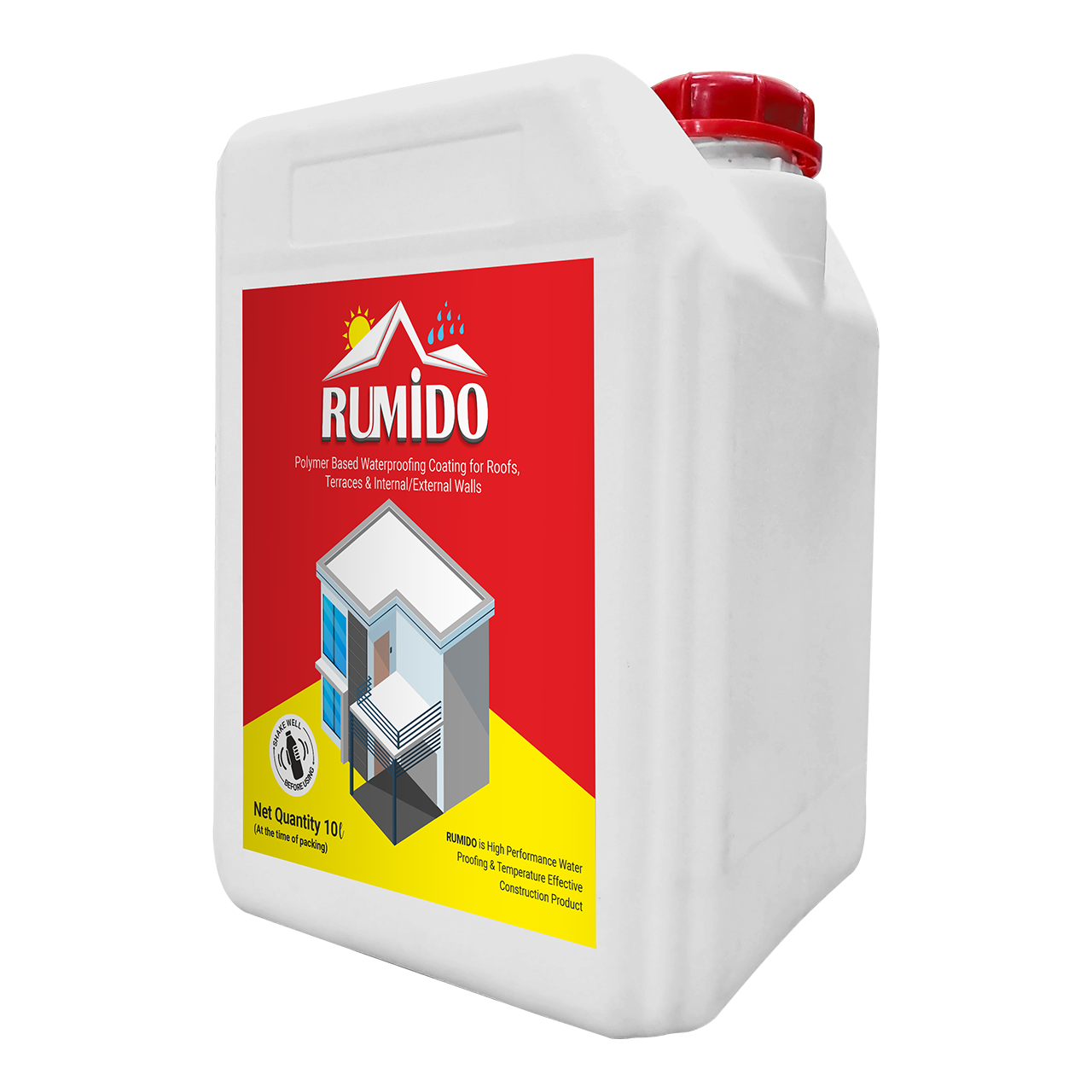
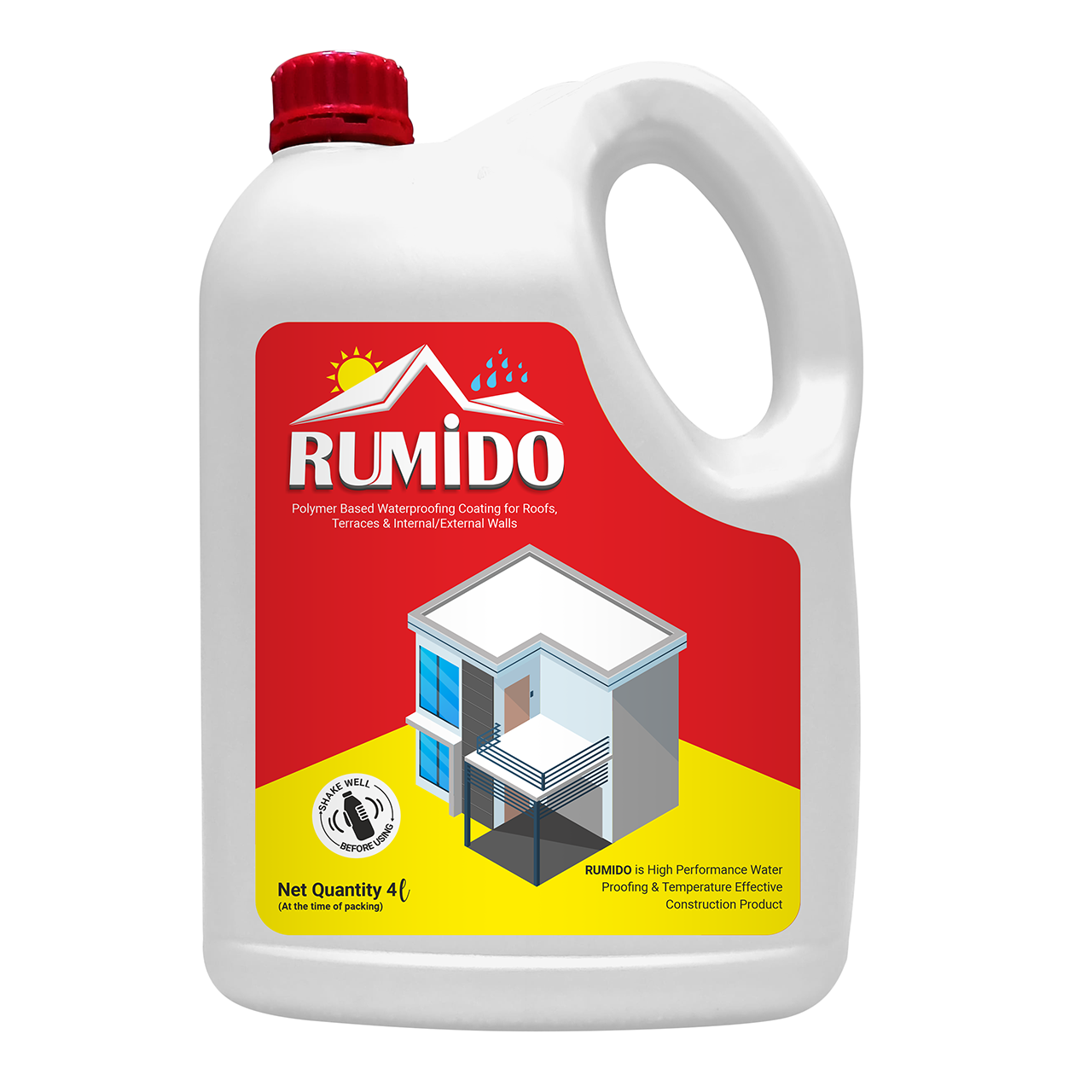
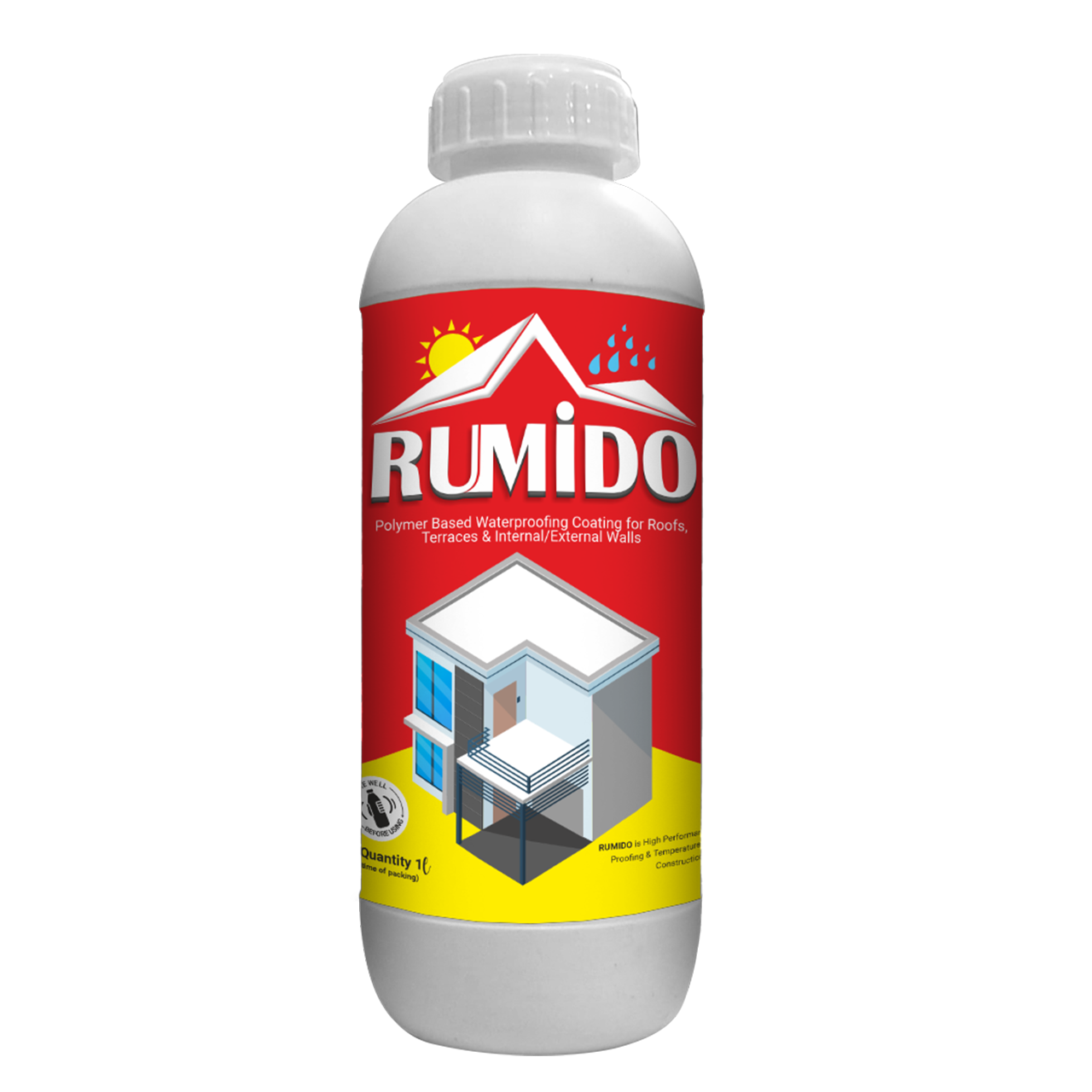
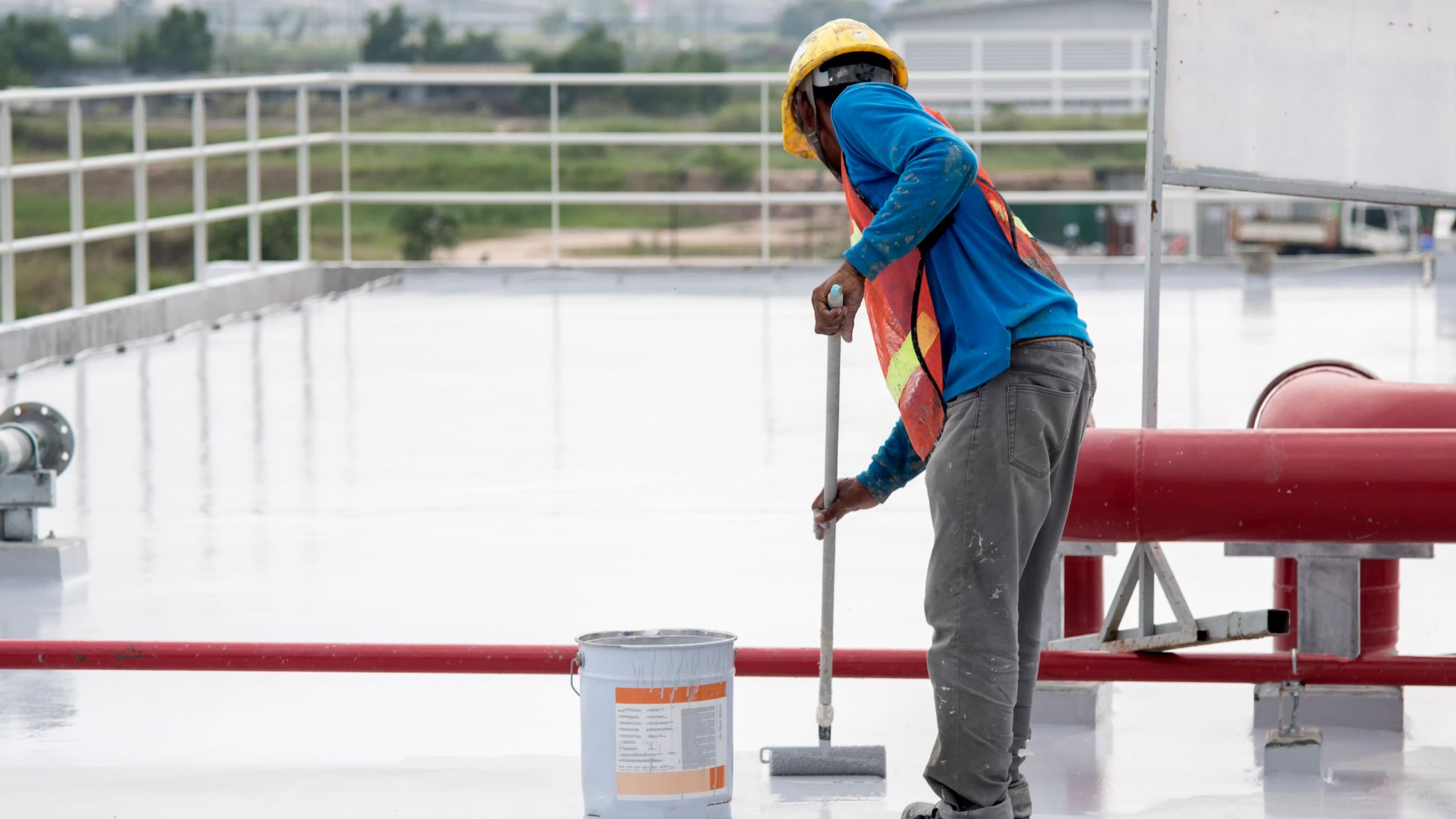
Waterproofing is a treatment that most of us are aware of. However, sometimes we tend to underestimate it by thinking of it as an unnecessary expense. But looking into the current scenes, this blog will explain the importance of new terrace waterproofing. What we mean to explain here is - whenever you construct a house, you must deal with all the necessary things with utmost care and attention, and waterproofing is one of them. Many people ignore terrace waterproofing services, thinking of it as unnecessary. But when you face continuous water dripping during monsoons, you are certain to repent. Well, instead of repainting, isn’t it simply better to go for it while the construction is going on? Yes, right? So, let us find out how new terrace waterproofing is done, why it is necessary, and who the expert is who can help you with that. In simple words, new terrace waterproofing is essential because it saves your terraces and ceilings from leaking during monsoons. Not just monsoons, it saves your house from any unwanted seepage or leaks and prolongs the life of your paints for years to come. It prevents water from seeping through the cervixes on the roofs. Waterproofing of the terrace is an essential part of the construction, and should not be avoided at any cost. This should be done to avoid water-leaking problems later. If you cannot decide what the best waterproofing material is, check our construction chemical for terrace waterproofing. This is one of the best-quality waterproofing chemicals on the market today. But how to use it? Let us see this in the next section. There is great importance of terrace waterproofing. To know more details, do check this blog on the Importance of waterproofing for terraces. Remove all dust, filth, oil, grease, etc. from the slab. Drain (flood) the whole terrace area to look for leaks, cracks, or dampness. Apply a slurry to the bare slab with a brush using Nanosil and cement. A low-speed stirrer should be used to mix ingredients to create a smooth consistency. There should be no water added. There should be as much sludge as can be used in 15 to 30 minutes in trial preparation. You can also add one more layer of slurry of the same proportion after 24 hours. It is recommended to leave the area for about 24-48 hours so that one can adapt to the new environmental mixture. Cure the coating for four to five days using moist gunny bags. Pond (Float) the entire terrace to see how well the waterproofing treatment is working. Place the cement mortar to create a brick bat coba while the coating is still wet and tacky. The application must be wet-on-wet. For brick bat coba, add Nanosil with the cement used in the mortar mixture. Make sure to mix the correct proportion. It is advisable to take help from waterproofing experts. As per typical building procedure, continue to erect traditional brick and I.P.S. over the terraces. Also, using Rumido along with the construction material during the new terrace waterproofing will make the construction strong and protect your terrace from unwanted heat and water damage. Even the best waterproofing products can fail if the application process is not carried out correctly. Many terrace leakage problems arise due to avoidable mistakes made during construction or waterproofing installation. Applying waterproofing over dusty, oily, or loose surfaces reduces adhesion and can lead to premature coating failure. Small cracks, honeycombs, and voids should be repaired before waterproofing. Leaving them untreated can allow water penetration beneath the waterproofing layer. A terrace without a proper drainage slope can cause water to pond. Standing water increases pressure on the waterproofing system and accelerates deterioration. Insufficient coating thickness can create weak spots where water may seep through over time. Inferior products often lack flexibility and durability, resulting in reduced protection and frequent repairs. Waterproofing systems require adequate curing and drying periods. Premature exposure to water can compromise performance. Flood testing helps identify weak points before project completion. Skipping this step may allow hidden defects to remain undetected. Investing in terrace waterproofing during construction offers long-term protection and reduces future maintenance expenses. A properly waterproofed terrace prevents rainwater from penetrating the roof slab and entering the building structure. Waterproofing protects concrete and reinforcing steel from moisture-related damage, helping to extend the structure's lifespan. Preventive waterproofing minimizes the need for costly leakage repairs, ceiling restoration, and repainting work. Water intrusion often leads to damp walls, mold, and mildew. Waterproofing helps maintain a healthier indoor environment. A well-maintained, leak-free property is more attractive to buyers and tenants. Continuous water exposure can weaken concrete and corrode steel reinforcement. Waterproofing helps preserve structural integrity. Waterproofing prevents damage to paint, plaster, false ceilings, electrical systems, and furnishings. Identifying waterproofing issues early can prevent major structural damage and expensive repairs. One of the most obvious signs is water dripping or damp patches appearing on ceilings below the terrace. Persistent moisture on walls near the roof level often indicates waterproofing failure. Water infiltration can cause paint blistering, peeling, and plaster deterioration. White powdery deposits on walls or concrete surfaces indicate moisture movement through the structure. Dark spots, fungal growth, and musty odors are common signs of excessive moisture. Water that remains stagnant for long periods after rainfall suggests drainage or waterproofing issues. Visible cracks, blisters, or delamination of the waterproofing membrane can indicate system failure. Use this checklist before handing over a waterproofing project: Checklist Item Terrace surface cleaned and prepared Dust, debris, and contaminants removed Cracks, honeycombs, and voids repaired Proper drainage slope verified Construction joints treated properly Waterproofing material mixed as per manufacturer guidelines First waterproofing coat applied uniformly Additional coats applied as recommended Required curing completed Flood testing was conducted successfully Water outlets and drainage points checked Final inspection completed 1. What is terrace waterproofing? Terrace waterproofing is the process of applying protective systems or coatings to prevent water penetration through the roof structure. 2. Why is waterproofing necessary for a new terrace? It protects the building from water damage, seepage, dampness, and structural deterioration from the beginning. 3. When should terrace waterproofing be done during construction? Ideally, waterproofing should be performed after the roof slab and slope work are completed but before final finishing layers are installed. 4. Which waterproofing method is best for terraces? The best method depends on the terrace condition, climate, budget, and expected durability requirements. Polyurethane and liquid membranes are often preferred for long-term protection. 5. How long does terrace waterproofing last? A professionally installed waterproofing system can typically last between 5 and 20 years, depending on the materials used. 6. What causes terrace leakage? Common causes include poor waterproofing application, surface cracks, water ponding, inadequate drainage, and aging waterproofing layers. 7. How can I tell if my terrace waterproofing has failed? Signs include ceiling seepage, damp walls, peeling paint, mold growth, efflorescence, and standing water on the terrace. 8. What is flood testing in waterproofing? Flood testing involves retaining water on the terrace surface for a specified period to verify the effectiveness of the waterproofing system. 9. Can waterproofing increase the life of a building? Yes. Waterproofing protects concrete and reinforcement steel from moisture damage, helping extend the structure's lifespan. 10. How often should terrace waterproofing be inspected? A visual inspection should be performed at least once a year and after heavy monsoon seasons to identify any early signs of damage. It is not easy for everyone to understand how waterproofing companies work. Thus, if you really want to save your terraces from any kind of heat or water damage and provide efficient and long-lasting waterproofing, it is advisable to consult a waterproofing expert. Book an appointment with our waterproofing experts today and consult us for all your terrace waterproofing needs.Importance of Terrace Waterproofing
Steps For New Terrace Waterproofing

Types of Waterproofing Used for New Terraces
Common Mistakes That Cause Terrace Waterproofing Failure
1. Inadequate Surface Preparation
2. Ignoring Cracks and Surface Defects
3. Improper Roof Slope
4. Applying Thin or Uneven Coats
5. Using Low-Quality Waterproofing Materials
6. Skipping Curing and Drying Time
7. Not Conducting Flood Testing
Benefits of Waterproofing a New Terrace
Prevents Water Leakage
Increases Building Durability
Reduces Repair Costs
Prevents Dampness and Mold Growth
Improves Property Value
Enhances Structural Safety
Protects Interior Finishes
Signs of Poor Terrace Waterproofing
Water Seepage Through Ceilings
Damp Walls
Peeling Paint or Plaster
White Salt Deposits (Efflorescence)
Mold and Mildew Growth
Water Ponding on Terrace Surface
Cracks in the Waterproofing Layer
New Terrace Waterproofing Checklist
Frequently Asked Questions (FAQs)
20MCC Waterproofing Chemicals For Terrace Waterproofing