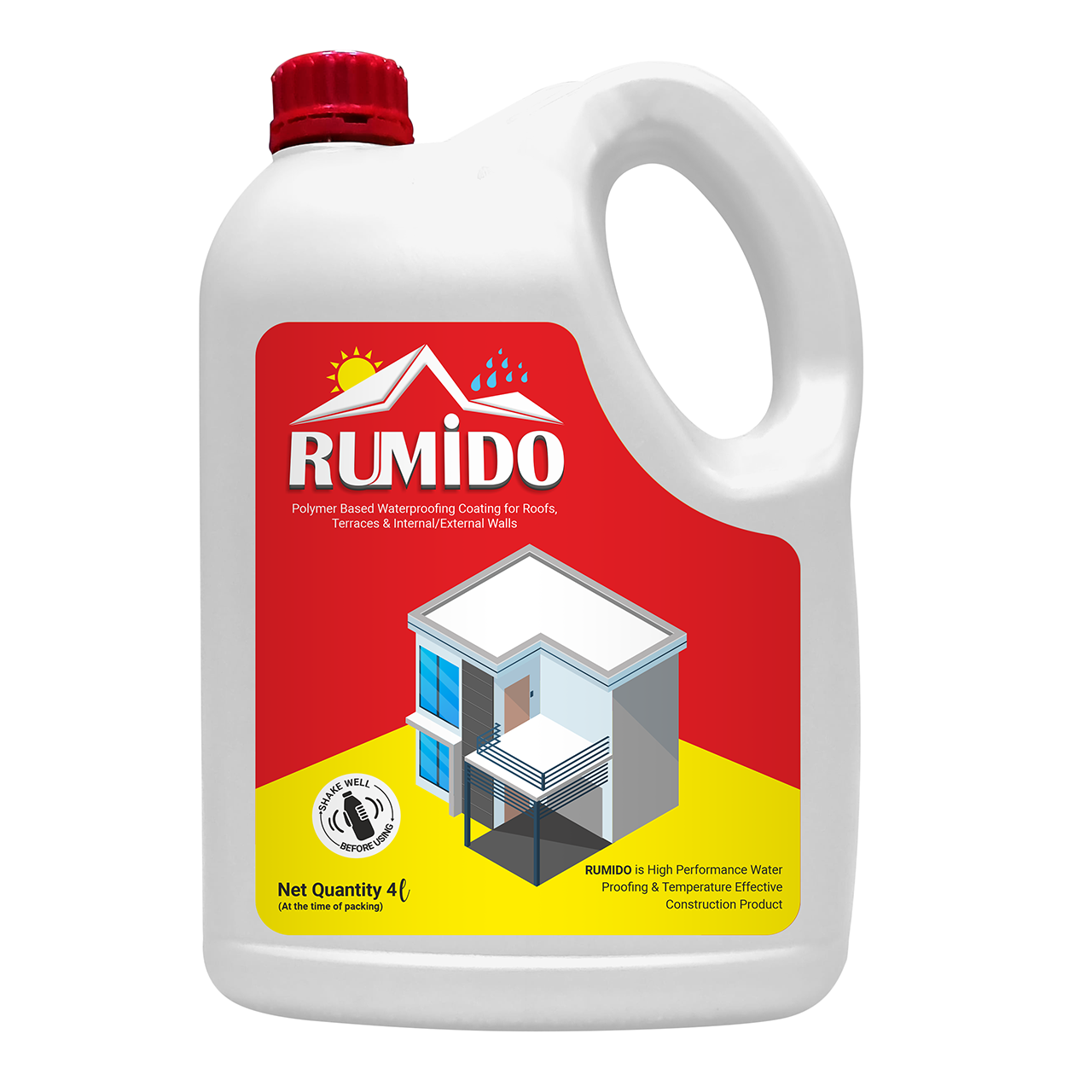
India’s climate, with heavy monsoons, extreme heat, and high humidity, makes waterproofing an essential part of building maintenance. From terrace leakages to wall dampness and structural cracks, water damage can significantly reduce the lifespan of any property.
In this guide, we will explore the best waterproofing solutions for Indian conditions, their applications, costs, and how to choose the right method for your needs.
Why Waterproofing is Important in India
Buildings in India face continuous exposure to harsh environmental conditions. Without proper waterproofing, common issues include:
- Terrace leakage during the monsoon
- Wall dampness and fungal growth
- Cracks leading to water seepage
- Structural weakening over time
Professional waterproofing helps prevent these issues and ensures long-term durability.
Types of Waterproofing Methods
Understanding different waterproofing methods is crucial before selecting the right solution.
- Cementitious Waterproofing: Ideal for bathrooms and water tanks
- Liquid Waterproofing Membrane: Best for terraces and roofs
- Bituminous Waterproofing: Suitable for foundations and basements
- Polyurethane Waterproofing: Highly flexible and durable
- Crystalline Waterproofing: Long-lasting internal protection for concrete
Top Waterproofing Solutions for the Indian Climate
1. Roof & Terrace Waterproofing
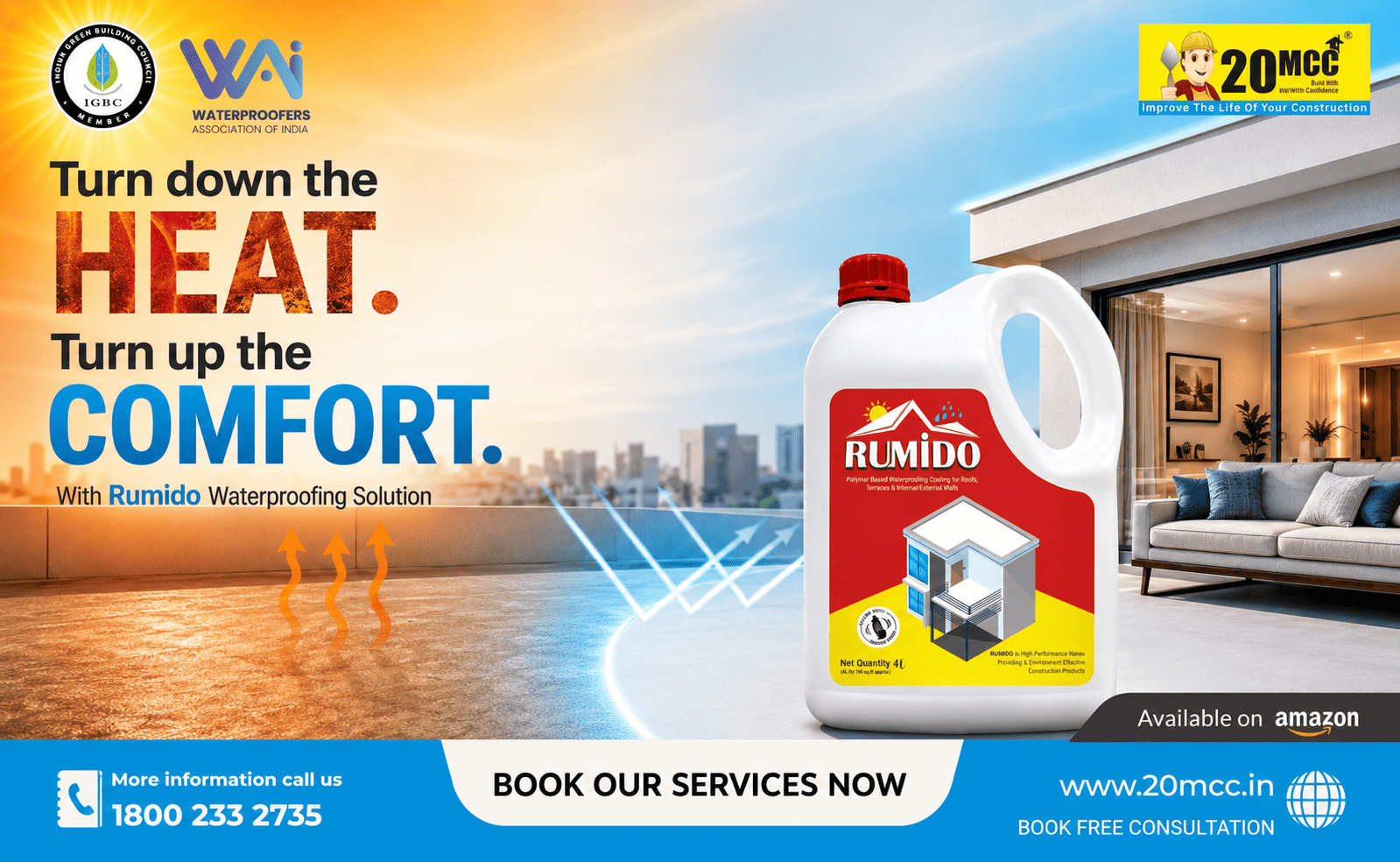
Roofs and Terraces are the most exposed areas and are prone to water accumulation and heat damage. Popular roof waterproofing solutions include:
- Liquid membrane coatings
- Polyurethane coatings
- Heat-reflective waterproofing systems
2. Crack Repair & Joint Sealing

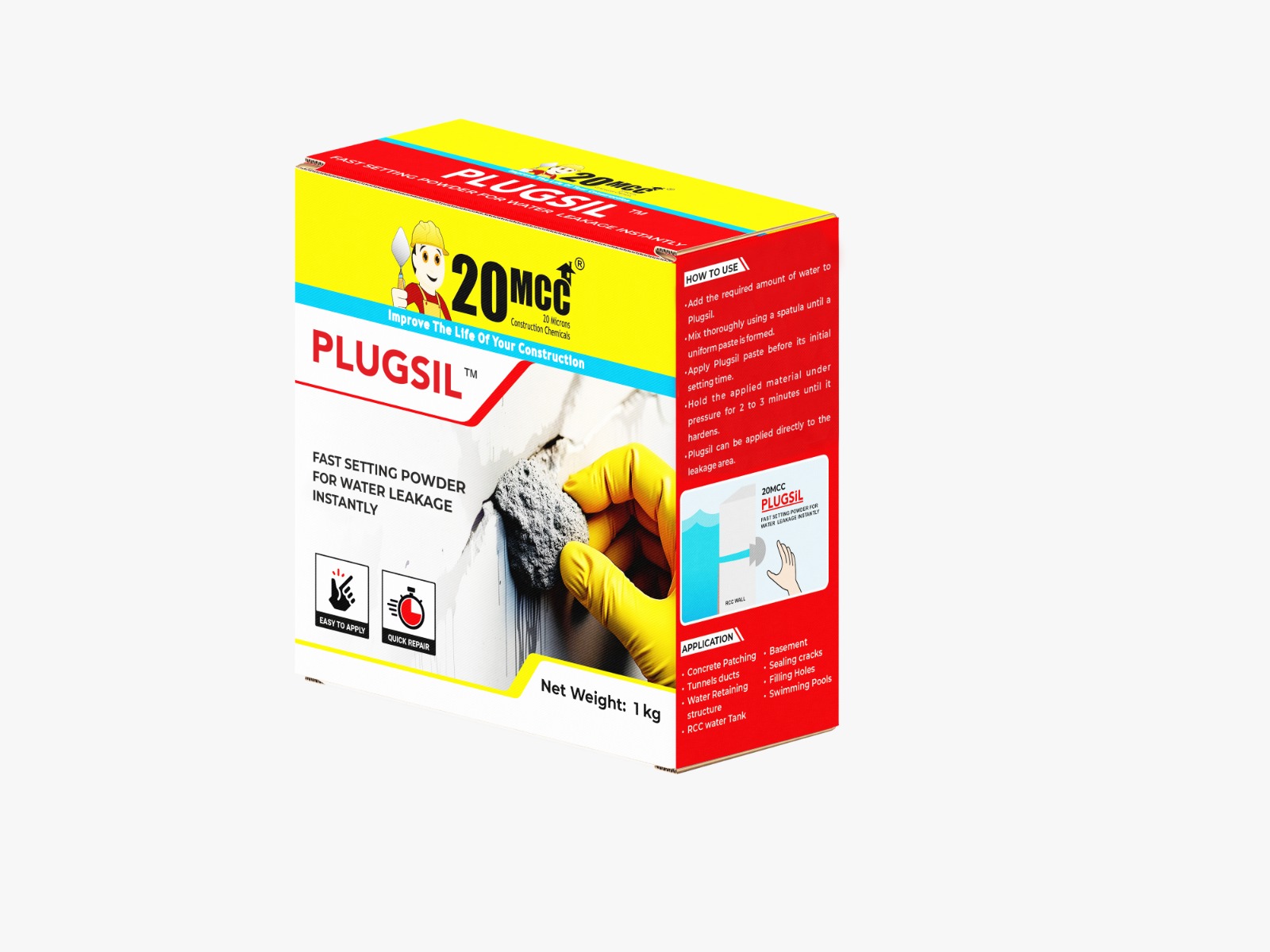
Cracks are one of the main reasons for water seepage in buildings. We offer crack repair and filling solutions such as;
- Acrylic crack fillers
- Epoxy sealants
- Injection grouting
3. Wall Dampness Solutions

Wall dampness leads to paint peeling, mold growth, and structural damage.
- Hydrophobic coatings
- Surface sealants
- Anti-damp solutions
4. Basement Waterproofing
Basements are affected by groundwater pressure, making a basement waterproofing solution essential.
- Cementitious coatings
- Crystalline waterproofing
- Injection grouting systems
5. Bathroom Waterproofing
Bathrooms require constant protection from water exposure.
- Cementitious waterproofing
- Membrane-based solutions
Waterproofing Comparison Table
| Method | Best For | Lifespan | Cost | Flexibility |
|---|
| Cementitious | Bathrooms | 3–5 years | Low | Low |
| PU Coating | Terrace | 5–10 years | High | High |
| Liquid Membrane | Roof | 5–8 years | Medium | Medium |
| Bituminous | Basement | 5–7 years | Medium | Low |
| Crystalline | Concrete | 10+ years | High | Medium |
Waterproofing Cost in India
Approximate cost ranges:
- Cementitious: ₹20–₹50 per sq ft
- Liquid membrane: ₹50–₹120 per sq ft
- PU coating: ₹80–₹200 per sq ft
How to Choose the Right Waterproofing Solution
- Area: Terrace, wall, basement, or bathroom
- Budget: Choose between economical and premium solutions
- Durability: Long-term vs short-term protection
Why Choose 20MCC
20MCC provides advanced waterproofing solutions backed by years of expertise, high-quality materials, and customized services for residential and commercial projects.
Common Waterproofing Mistakes
- Ignoring early leakage signs
- Using low-quality materials
- Poor surface preparation
- DIY without expertise
Conclusion
Waterproofing is essential for protecting buildings in India’s challenging climate. Choosing the right method ensures durability, cost savings, and long-term structural safety.
FAQs
Which waterproofing method is best for the Indian climate?
Polyurethane coatings and liquid membranes are highly effective due to their flexibility and weather resistance.
What is the cost of waterproofing in India?
Costs range between ₹20 to ₹200 per sq ft, depending on the method and materials used.
How long does waterproofing last?
Waterproofing typically lasts between 3 to 10 years, depending on the solution.
Is waterproofing necessary for old buildings?
Yes, it helps prevent further damage and extends the building's lifespan.
Can waterproofing be done during the monsoon?
It is not recommended as moisture can reduce effectiveness.
.webp)