.webp)
Construction Chemicals

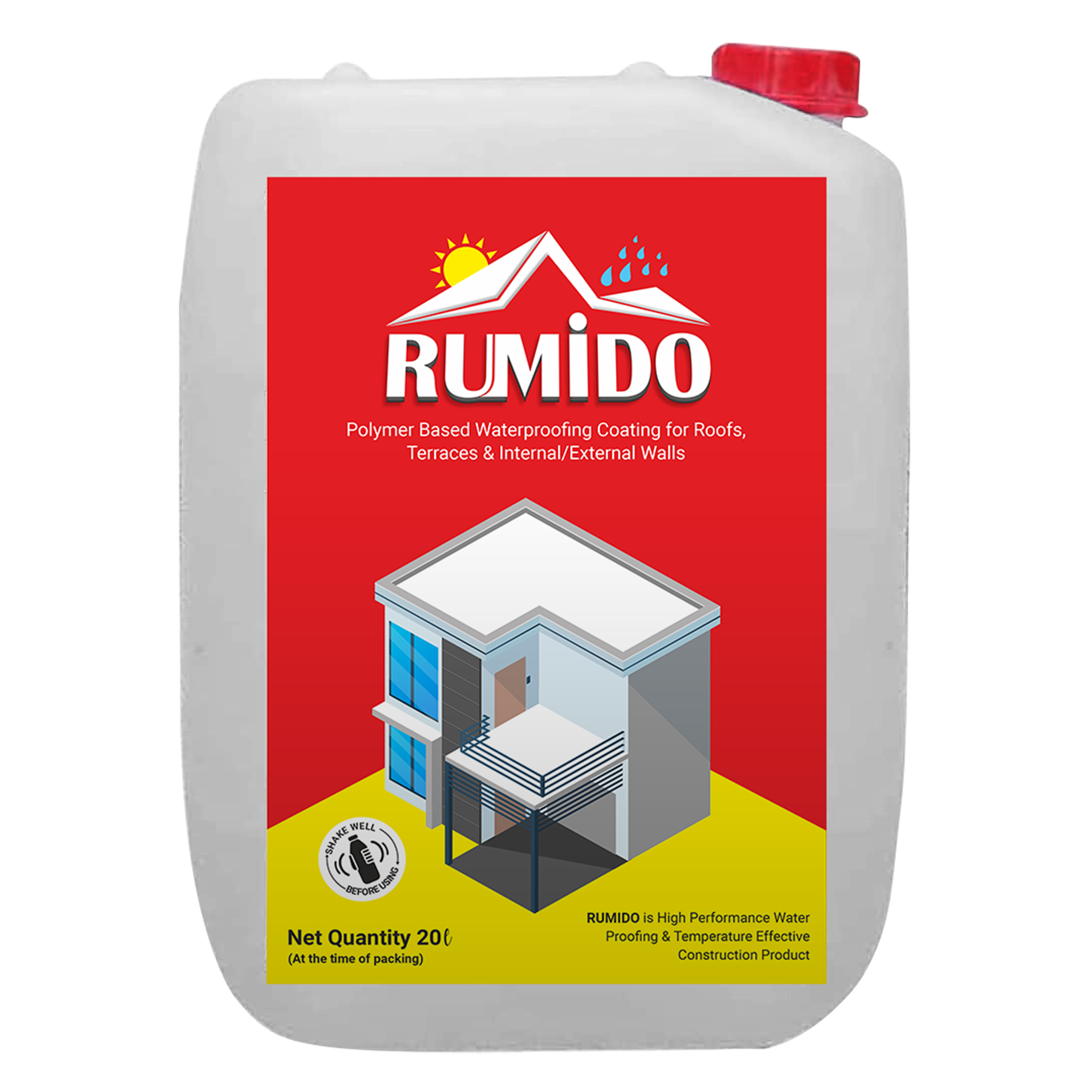
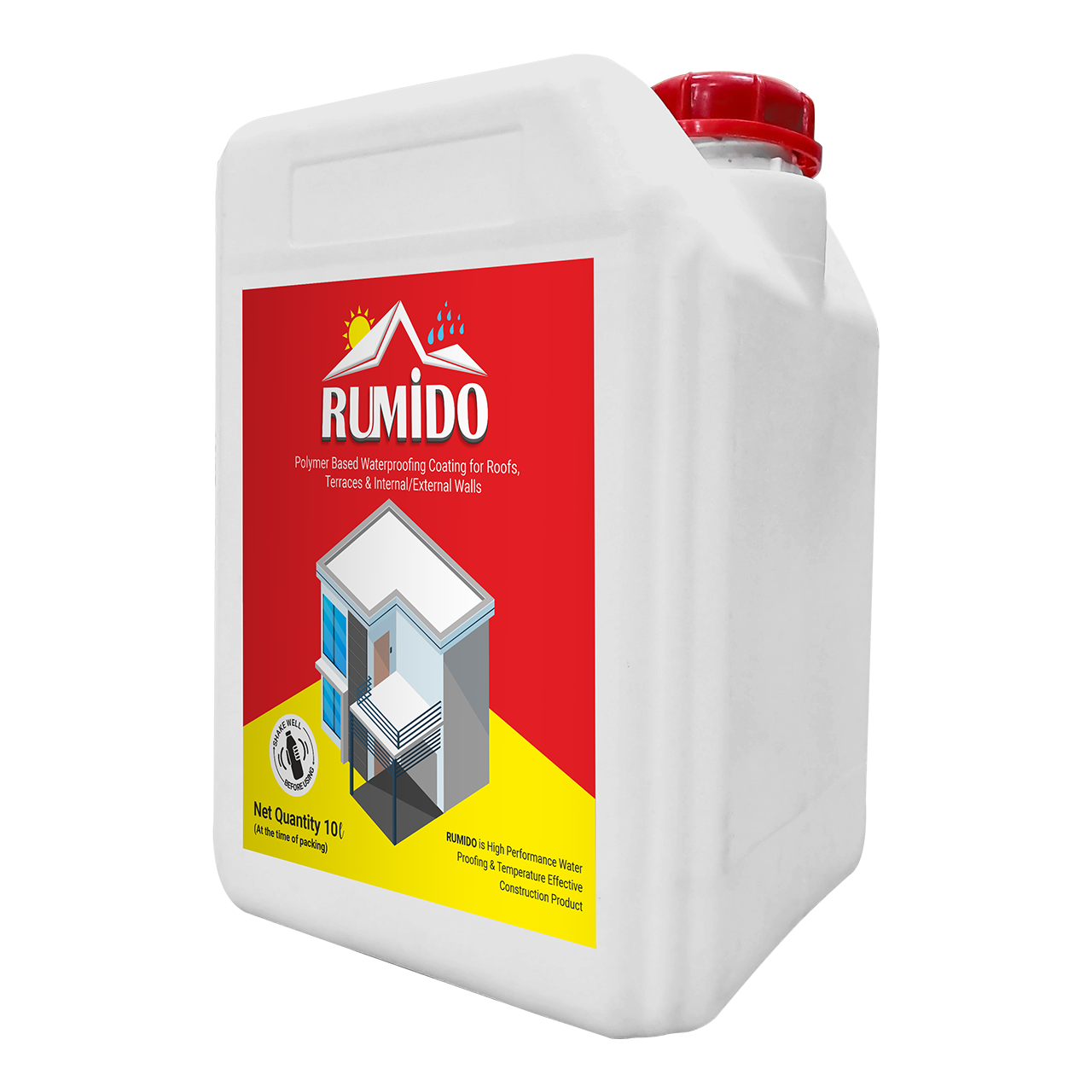
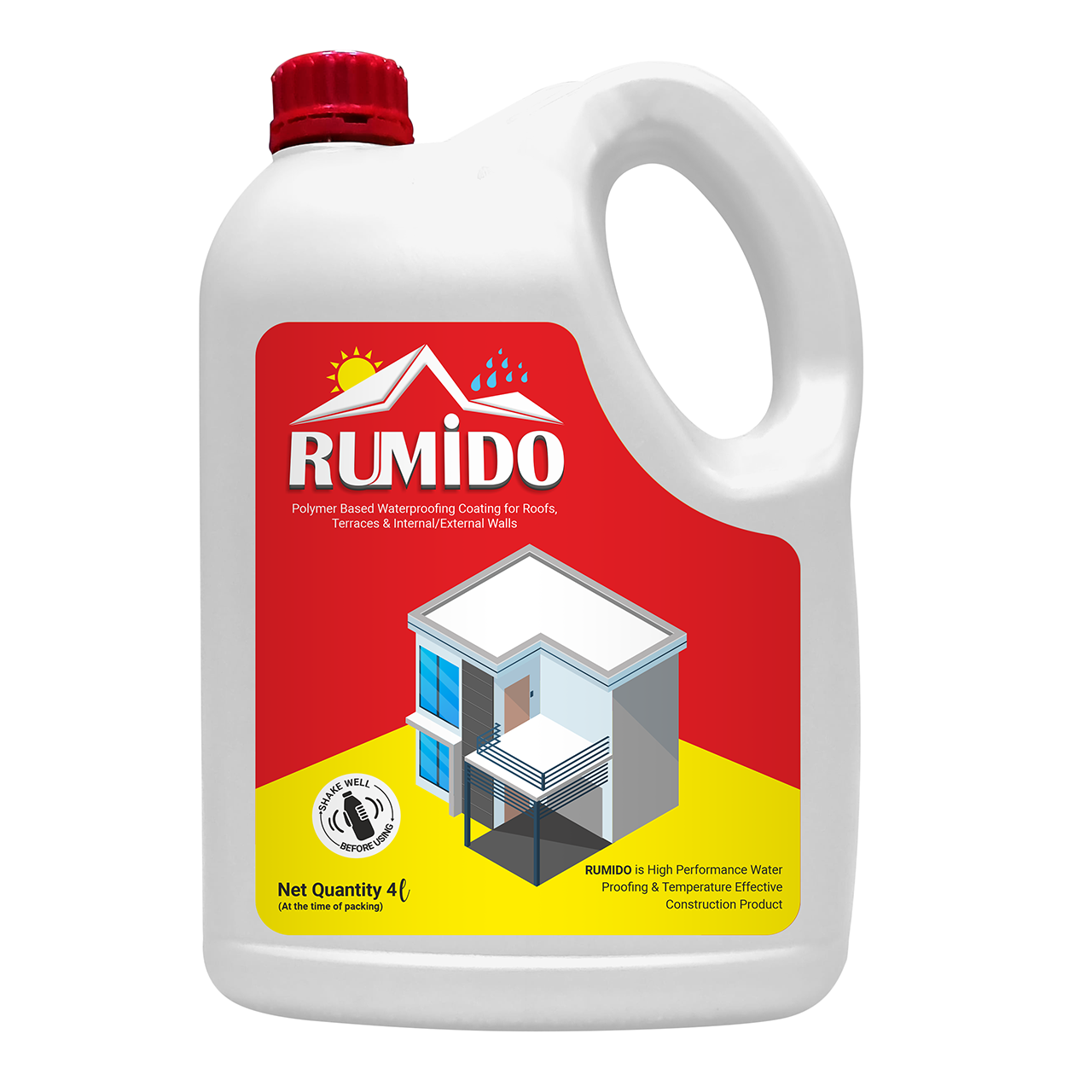
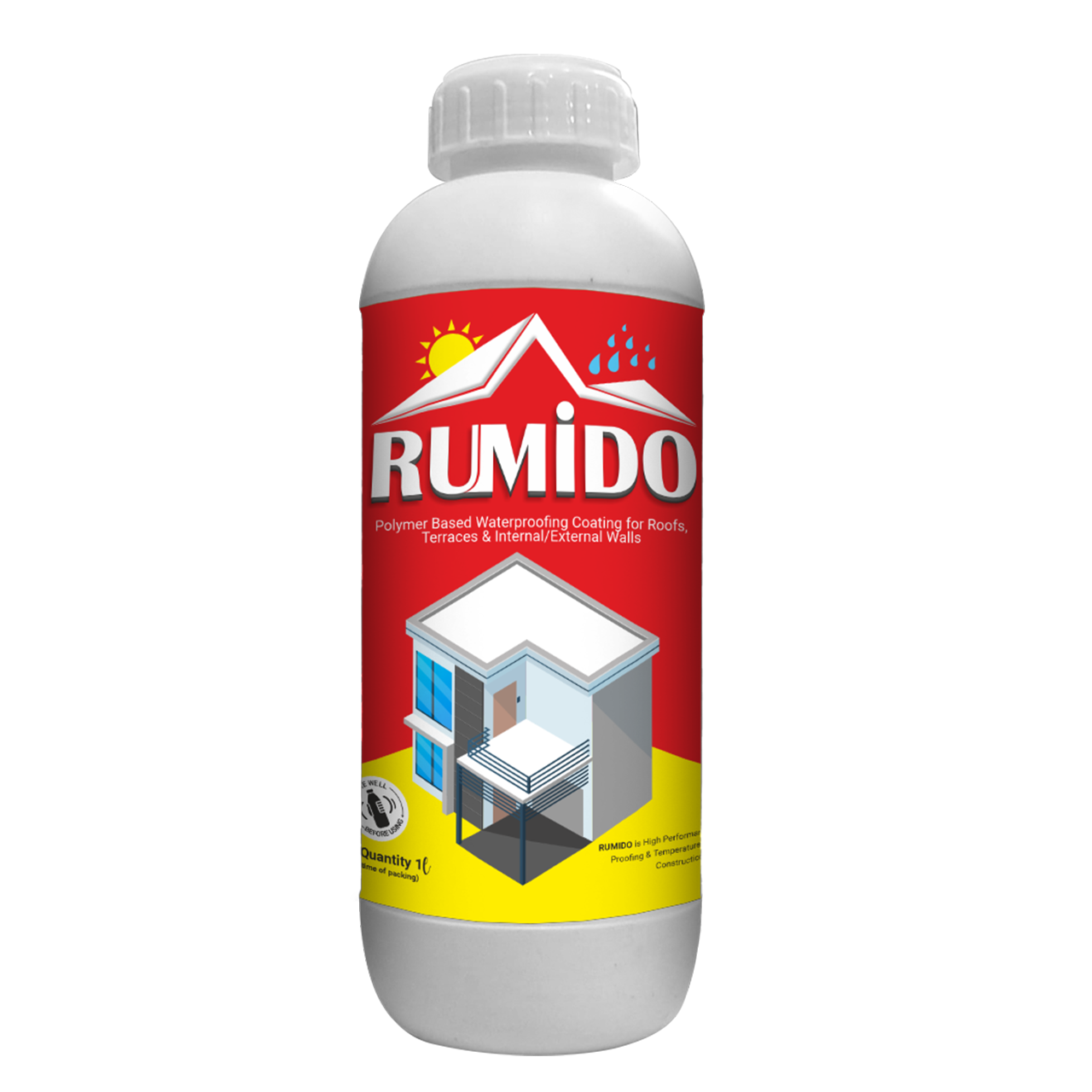
Not every water problem shows up suddenly. In many homes, the real damage begins quietly, behind the walls, beneath the floor, or above the ceiling. A slow drip inside a pipe or a tiny crack on the rooftop might seem harmless at first, but left unchecked, it can lead to major issues. Water has a way of finding the smallest entry points and spreading from there, often without any visible signs until it’s too late. You might first notice a faint stain on the ceiling, a bit of bubbling paint, or a soft patch on the wall. These changes can all signify a hidden leak. And once moisture seeps in, it starts weakening materials, encouraging mold, and damaging your interiors from the inside out. If you have seen signs of water leakage from the roof or suspect water leaks inside the walls, don’t ignore them. A delay in inspection often leads to expensive repairs and even structural compromises. Detecting a water leak early can help you avoid expensive repairs and unnecessary stress. The fix might be as simple as using a sealing compound or as complex as roof waterproofing, but the sooner you act, the better the outcome. In this blog, we will discuss the ways to identify hidden leaks before they damage your home and offer solutions that are very important. You don’t need expensive gadgets or professional tools to detect the early signs of water leaks in your home. In fact, some observation and attention to detail can detect more than you think. Most hidden leaks start small, so small that they are easy to ignore. But over time, these issues grow into big, expensive problems. If you see strange yellow or brown patches on your walls or ceiling, these are the first clue that water is leaking from behind the surface. When water builds up in the ceiling or inside the water leak wall, it discolors the paint or plaster as it seeps through. While these spots may seem minor at first, they often signal a much larger issue, especially in areas near bathrooms, kitchens, or rooftops. Don’t cover it up with fresh paint; investigate the source. Paint that is peeling might not be just old; it could be reacting to water trapped below. Moisture behind a wall interferes with how the paint or plaster sticks, causing it to loosen or bubble. If you try applying water leak paint over it without solving the problem, it will only hide the issue temporarily. Once the moisture returns, the bubbling and peeling will start again. Always check behind the damage to find the leak before attempting any cosmetic fixes. For hairline cracks on walls or masonry joints, Cracksil is your solution. This acrylic-based paste comes pre-mixed and is designed to seal cracks as wide as 5mm. It prevents water from seeping in and prepares the surface for further treatment. Have you ever walked into a room and caught a smell of dampness, even when everything looks clean?That odor usually indicates moisture trapped below the surface. The smell is caused by mold or bacteria feeding on moisture. And even if you don’t see the leak, your nose might detect it first. Pay close attention to rooms that are closed up often, like storage areas, basements, or guest bathrooms. The smell of wet clothes or old paper in those areas should never be ignored. Mold grows in damp environments. If you find black or green spots on walls, ceilings, furniture, or even behind appliances, it could mean there is ongoing moisture in the area. These growths can give serious health risks, especially to those with allergies or respiratory problems. Water leakage paste and anti-fungal sprays will not work long-term unless the leak is identified and repaired at its root. An increase in your water bill is a sign that water is leaking somewhere in your home. If your water bill increases despite no change in usage, there might be an undetected leak. Even a tiny, steady drip, such as from a hairline crack in a rooftop tank, can lead to the loss of hundreds of liters over time. Check your monthly bills closely and inspect for irregularities. When it comes to spotting hidden water leaks, knowing where to see can save you a lot of time and money. Leaks don’t always show up in known places. Often, the damage begins in areas we rarely check until it is too late. Start by checking the walls behind sinks, showers, and toilets in both bathrooms and kitchens. These spots are victims of slow, steady leaks caused by broken plumbing or loose fittings. Next, take a look at the ceilings directly below these wet areas, especially if you live in a multi-story home. A damp patch or discoloration here can signal a leak from above, possibly from a toilet seal or a cracked tile. Rumido is a waterproofing liquid mixture that can be added to cement, plaster, or concrete mixes. It improves the density of the mix and makes it water-resistant from within. This is particularly helpful for new construction or repair works where you want to strengthen the base layer against water penetration. Use Rumido when preparing internal bathroom walls, external plaster, or floor screeds for enhanced waterproof performance. Basements and lower levels are also worth checking. Water tends to collect in corners where underground pipes may be leaking or where poor drainage causes seepage. Don’t forget the roof , areas near skylights, damaged flashing, or broken tiles are common culprits for water entering during heavy rains. If you are seeing dampness even when there has been no rainfall, the issue is likely internal plumbing. But if it appears right after storms or monsoon showers, water leakage from the roof may be the cause. Before reaching out to a professional for water leaks, there are a few simple checks you can do yourself. These DIY methods can help you catch early signs of hidden leaks and save you from expensive damage. One of the easiest ways to check for a hidden water leak is by using your water meter. First, make sure all taps and water-using appliances are completely turned off. This includes washing machines, dishwashers, and outdoor hoses. Once everything is set, head to your water meter and take note of the reading. Wait 15 to 30 minutes without using any water, then check the meter again. If the numbers have moved, even slightly, it usually means water is flowing somewhere, and not where it should be. Toilets are one of the most common sources of silent leaks. There is an easy way to test them. Add a few drops of food coloring into your toilet tank. Wait 10–15 minutes without flushing. If the colored water appears in the toilet bowl, the tank is leaking into the bowl. This slow leak can waste a surprising amount of water over time. In bathrooms or near kitchen sinks, tap lightly on the tiles. If some of them sound hollow or feel loose, that could mean water has seeped behind them. Moisture weakens the adhesive that holds the tiles in place, and it is often an early sign of a slow leak in the wall or floor. These simple checks take just a few minutes but can help you spot problems early, before they turn into costly repairs. If any of these tests suggest a leak, it’s time to call a trusted expert like 20MCC for a complete assessment Ignoring a small leak may not seem like a big deal until it becomes one. Hidden water leaks start as minor drips or damp patches, but over time, they can quietly cause major damage. What begins as a hairline crack or a small patch of moisture can eventually weaken structural walls, ruin paintwork, or even corrode metal supports inside your home. Moist environments also create the perfect breeding ground for mold, which poses health risks, especially for children, seniors, and those with respiratory issues. Termites and other pests are attracted to damp wood, making water leaks an open invitation for infestations. In some cases, water can reach electrical wiring, leading to short circuits or fire hazards. Beyond health and safety concerns, visible water damage can significantly reduce your property’s value. Buyers are quick to notice stains, musty smells, or cracks and these can raise red flags about larger structural issues. Micronsil 30 Plus is a micro-fine waterproofing compound that penetrates deep into the cement matrix to block water pathways. It is best suited for integral waterproofing in concrete foundations, basements, water tanks, and roof slabs. Unlike surface treatments, Micronsil 30 Plus works from within the structure, offering long-term protection and durability against water damage. The truth is, a leak left untreated today could cost you upwards of ₹2 lakh in repairs tomorrow. Early detection gives you the chance to fix the root cause before it spirals out of control. It’s not just smart maintenance, it’s essential protection for your home and your wallet. When it comes to dealing with water leaks, temporary fixes might buy you time, but they won’t solve the problem for good. That’s where 20MCC stands apart. We are a team that takes water damage seriously, with a focus on lasting solutions, not surface-level cover-ups. At 20MCC, we specialize in identifying and fixing the real cause of water leakage, whether it’s from the roof, walls, bathroom corners, or even deep-seated cracks inside your concrete structures. Our approach begins with a detailed inspection using proven techniques and years of hands-on experience. We don’t believe in guesswork; we find exactly where water is entering and why. Once the problem area is identified, we use high-performance products from our in-house range. Each product is engineered for specific types of water issues, even if it’s surface dampness, active seepage, or long-term structural leakage. We also apply advanced waterproofing techniques like: Injection grouting for deep crack sealing PU and acrylic-based sealants for flexible surfaces Elastomeric coatings for roofs and terraces Fiber-reinforced barriers for high-pressure zones Crack-bridging solutions that expand and contract with building movement Every job we take on is backed by expert application, reliable products, and a commitment to doing it right the first time. So, if you are tired of recurring leaks and short-term patches, it’s time to bring in a team that knows what lasting protection really means. Choose 20MCC, because your home deserves more than a quick fix. Water leaks don’t start as disasters. They start as drips: quiet, consistent, and easy to miss. But once the damage is visible, the repair bill usually skyrockets. Take five minutes today. Walk around your home, check the corners, the ceilings, under sinks, and around the base of your rooftop tank. And if you spot something suspicious?Signs of Hidden Water Leaks
1. Unexpected Water Stains on Walls
2. Peeling Paint or Bubbling Plaster
3. A Musty or Damp Odor
4. Mold Growth
5. An Increase in Your Water Bill
Specific Areas to Inspect for Hidden Leaks
DIY Methods to Look for Leaks at Home
1. The Meter Test
2. Toilet Dye Test
3. Check for Loose or Hollow Tiles
Why Early Water Leak Detection Is Worth It
Why Choose 20MCC for Long-Term Water Leak Solutions?
Final Thoughts